January 23, 2026
Owning a home with a private waste management system offers a sense of independence, but it also carries a unique set of responsibilities. Unlike homes connected to municipal sewers, a septic system requires active management and a keen understanding of how your household habits affect the underground infrastructure. When properly maintained, these systems are remarkably efficient at processing wastewater and returning it safely to the environment. However, neglect can lead to catastrophic failures, property damage, and significant financial burdens. By prioritizing professional septic services and adopting "septic-friendly" habits, you can maximize the efficiency and longevity of your system.
The durability of your system is heavily influenced by how you treat it on a daily basis. According to This Old House, the typical lifespan of a septic tank is 15 to 40 years, depending on the material, maintenance practices, and soil conditions. This wide range suggests that while some factors are determined at installation, your personal maintenance routine plays a pivotal role in where your system falls on that spectrum. Understanding the mechanics of your tank and drainfield allows you to intervene before small issues turn into permanent structural failures. With the right care, you can ensure your system serves your home reliably for decades.
Implementing a Strict Pumping Schedule
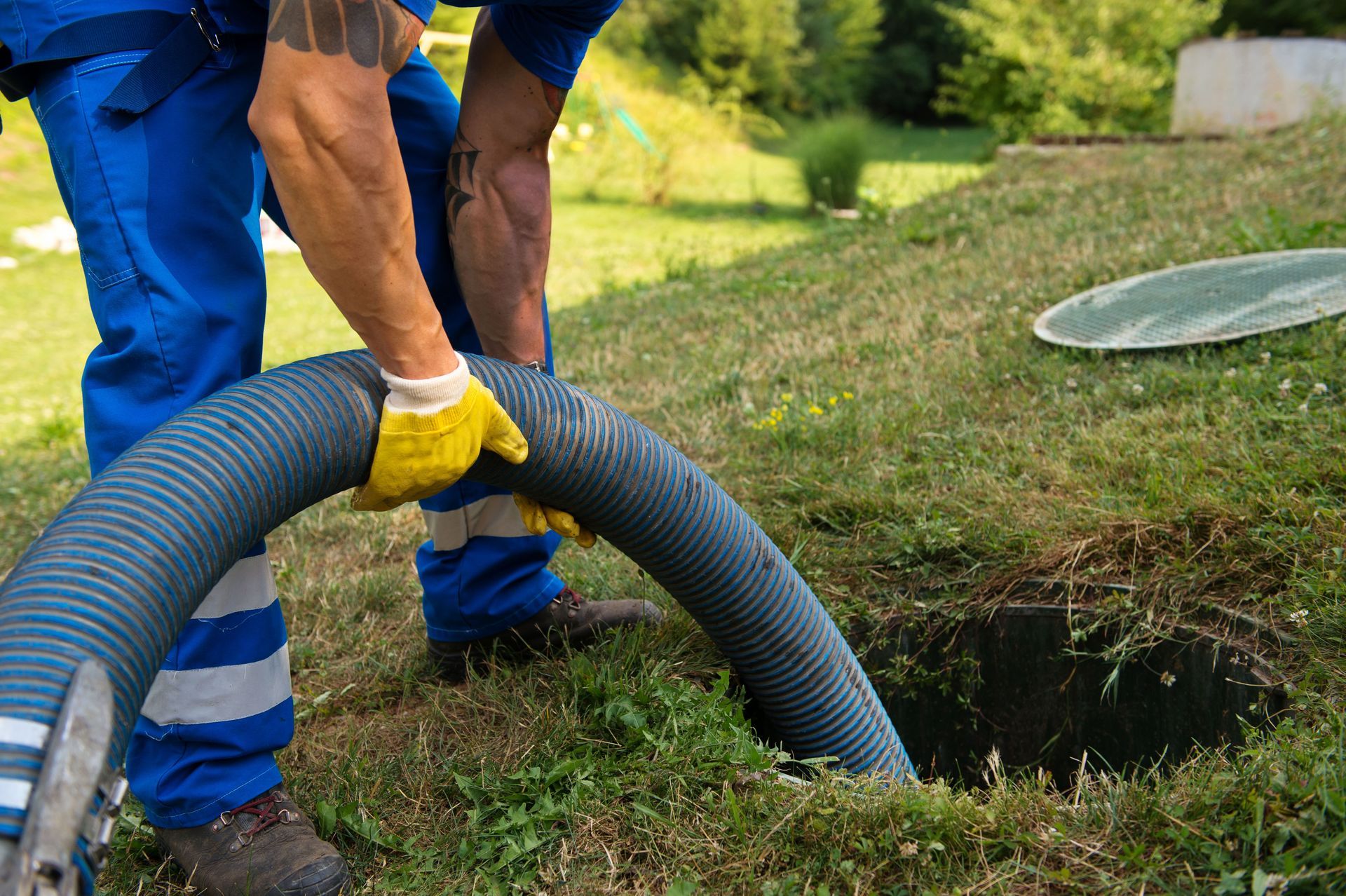
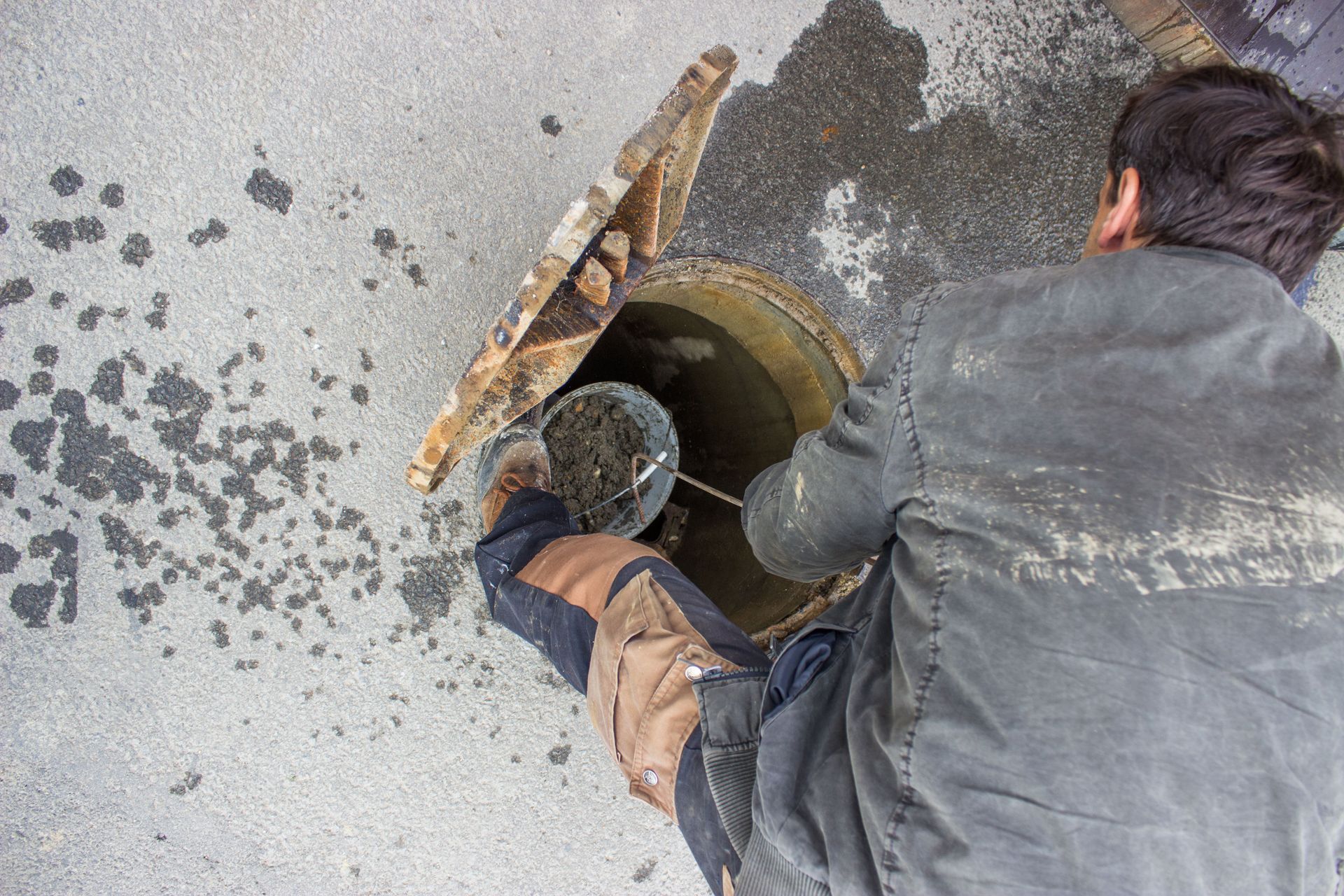
The most critical component of septic longevity is regular pumping. As wastewater enters the tank, solids settle at the bottom to form a layer of sludge, while oils and grease float to the top as scum. Over time, these layers accumulate, reducing the total volume available for wastewater treatment. If the tank is not pumped out, the sludge can eventually reach the outlet pipe and flow into the drainfield, causing clogs and soil failure. Professional septic services are designed to remove this accumulation, ensuring the tank remains functional and clear.
Most experts recommend having your tank inspected and pumped every three to five years, according to our team, though this frequency can vary based on the number of people in your household and the size of the tank. Regular pumping is much more than a cleaning task; it is an insurance policy for your drainfield. Once solids escape the tank and enter the soil of the drainfield, the damage is often irreversible and requires a full replacement of the system. By staying ahead of the sludge levels, you prevent the most common cause of early system death and keep your waste processing running smoothly.
Practicing Responsible Water Conservation
Your septic system has a daily "hydraulic load" capacity—the amount of water it can effectively process within a 24-hour period. When you overwhelm the system with excessive water use, the wastewater does not stay in the tank long enough for the solids to settle. This "surge" of water can push solids directly into the drainfield, leading to the same clogging issues as a neglected tank. Extending the life of your system requires a conscious effort to spread out water usage across the week rather than doing all your laundry on a single day.
Simple changes in your daily routine can make a massive difference. Installing low-flow showerheads, high-efficiency toilets, and faucet aerators reduces the total volume entering the tank. Additionally, fixing a leaking toilet or a dripping faucet is essential, as even a small leak can add hundreds of gallons of unnecessary water to your system over a month. By managing your water output, you give the bacteria inside the tank the time they need to break down organic matter, ensuring that only clear liquid reaches the soil for final treatment.
Monitoring What Goes Down the Drain
A septic tank is a living ecosystem powered by beneficial bacteria that break down waste. Introducing harsh chemicals or non-biodegradable items can "kill" the tank, stopping the treatment process and leading to rapid sludge buildup. You should never flush items like baby wipes, feminine hygiene products, cigarette butts, or paper towels, as these do not break down like toilet paper. Even products labeled as "flushable" are often too durable for a septic system and can cause blockages in the baffles or the plumbing lines.
In the kitchen, "fat, oil, and grease" (FOG) should always be disposed of in the trash rather than the sink. Grease cools and hardens in the pipes and the tank, creating a thick scum layer that is difficult to pump. Furthermore, limit the use of garbage disposals; they add a significant amount of undissolved organic solids to the tank, which can increase the frequency of required septic services by as much as 50%, according to our team. Being mindful of what enters your pipes is the easiest way to protect the delicate biological balance that keeps your system healthy.
Protecting the Integrity of the Drainfield
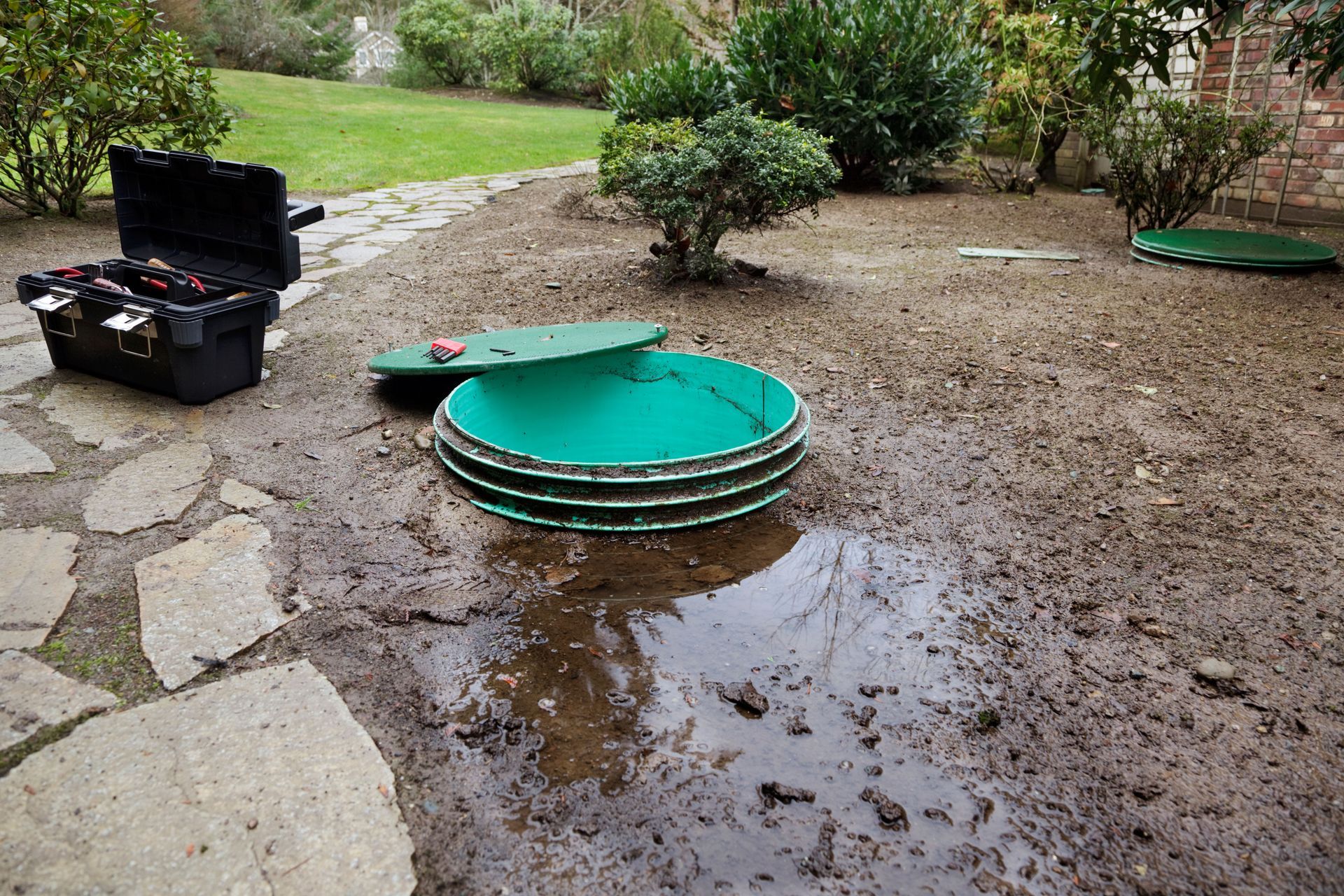
The drainfield is arguably the most sensitive part of your septic system. It consists of a series of perforated pipes buried in trenches filled with gravel and soil. For the drainfield to work, the soil must be able to "breathe" and absorb liquid. This means you must never park vehicles, drive heavy equipment, or place permanent structures like sheds or pools over the drainfield area. The weight can crush the pipes or compact the soil, effectively sealing it off and preventing the final filtration process.
Landscaping choices also affect the drainfield. While grass is the ideal cover because it prevents erosion and aids in evaporation, you should avoid planting trees or large shrubs nearby. Aggressive root systems can seek out the moisture in the pipes, growing into the perforations and causing massive blockages or structural cracks. Divert rainwater from roof gutters and foundation drains away from the septic area to prevent the soil from becoming oversaturated.
Avoiding Chemical Overload and Additives
Many homeowners are tempted to use chemical "septic starters" or additives that promise to break down solids more quickly. However, most professional septic services and environmental experts agree that these are unnecessary and potentially harmful. A healthy septic tank already contains all the bacteria it needs from human waste. Some additives can actually cause the solids in the tank to stay suspended in the liquid, allowing them to flow into the drainfield where they don't belong. Others may contain harsh solvents that can contaminate the groundwater.
Similarly, be cautious with household cleaners. While normal use of bleach or detergents is usually fine, excessive use of heavy-duty disinfectants and drain cleaners can wipe out the beneficial bacteria in your tank. If you must use strong chemicals, do so sparingly and consider switching to "septic-safe" or biodegradable alternatives. Maintaining a natural biological balance is far more effective than trying to manage your system with chemicals. When you let the natural process work without interference, the system remains stable and efficient, requiring fewer emergency interventions.
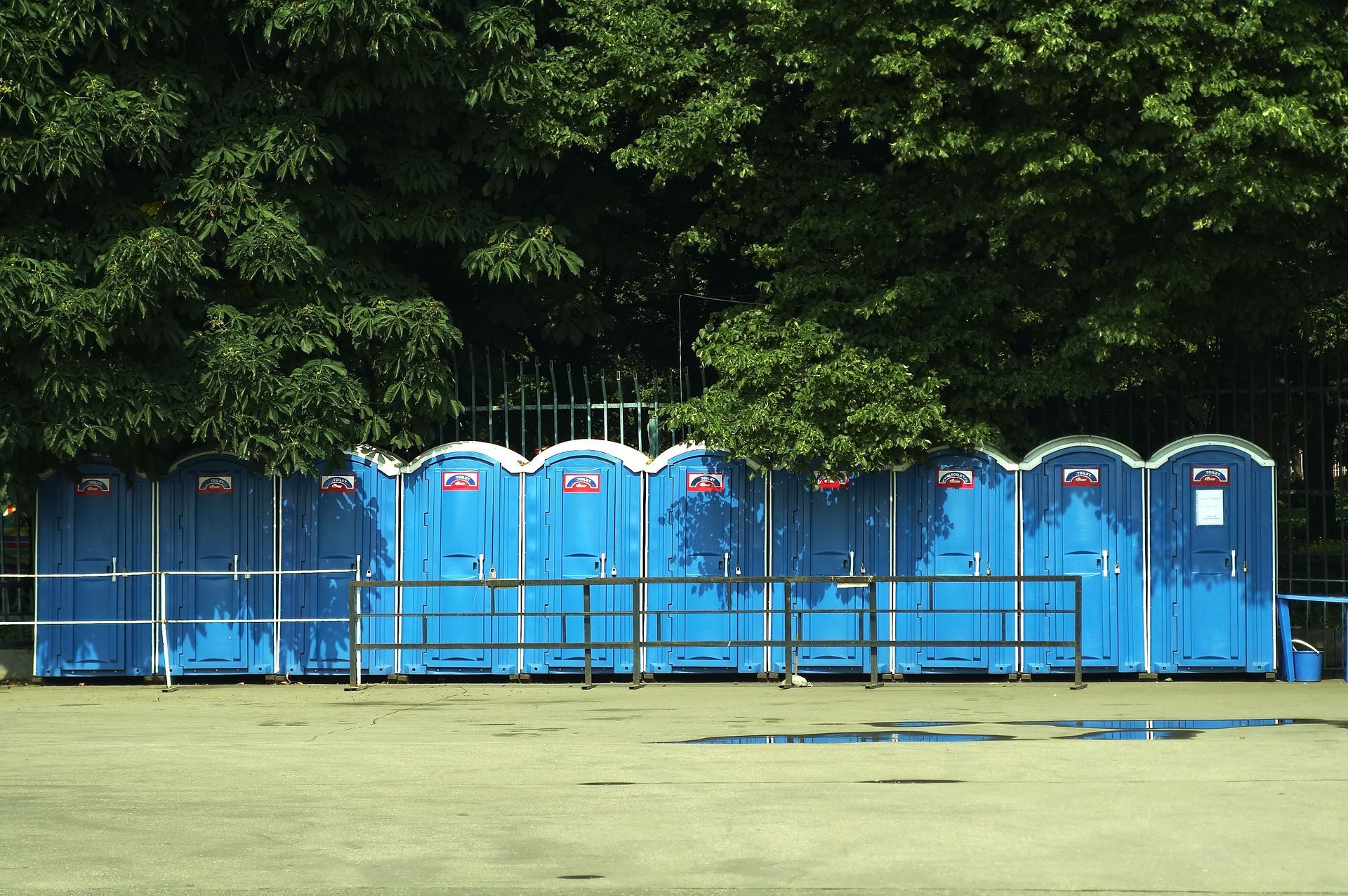
The longevity of your home’s waste management depends on a partnership between your daily habits and professional expertise. By understanding the vulnerabilities of your tank and drainfield, you can take proactive steps to avoid the most common causes of failure. Managing your water use, protecting your landscape, and sticking to a routine pumping schedule are small investments that pay off in decades of worry-free service. When you need reliable oversight to ensure your system is in top condition, trust the team that understands every aspect of septic care. Advanced Septic Pumping and Portable Rentals is dedicated to providing high-quality septic services that protect your property and the environment. Call Advanced Septic Pumping and Portable Rentals today to learn more about our maintenance plans and how we can help you extend the life of your septic system. We are here to help you keep your home running smoothly for years to come.