March 30, 2026
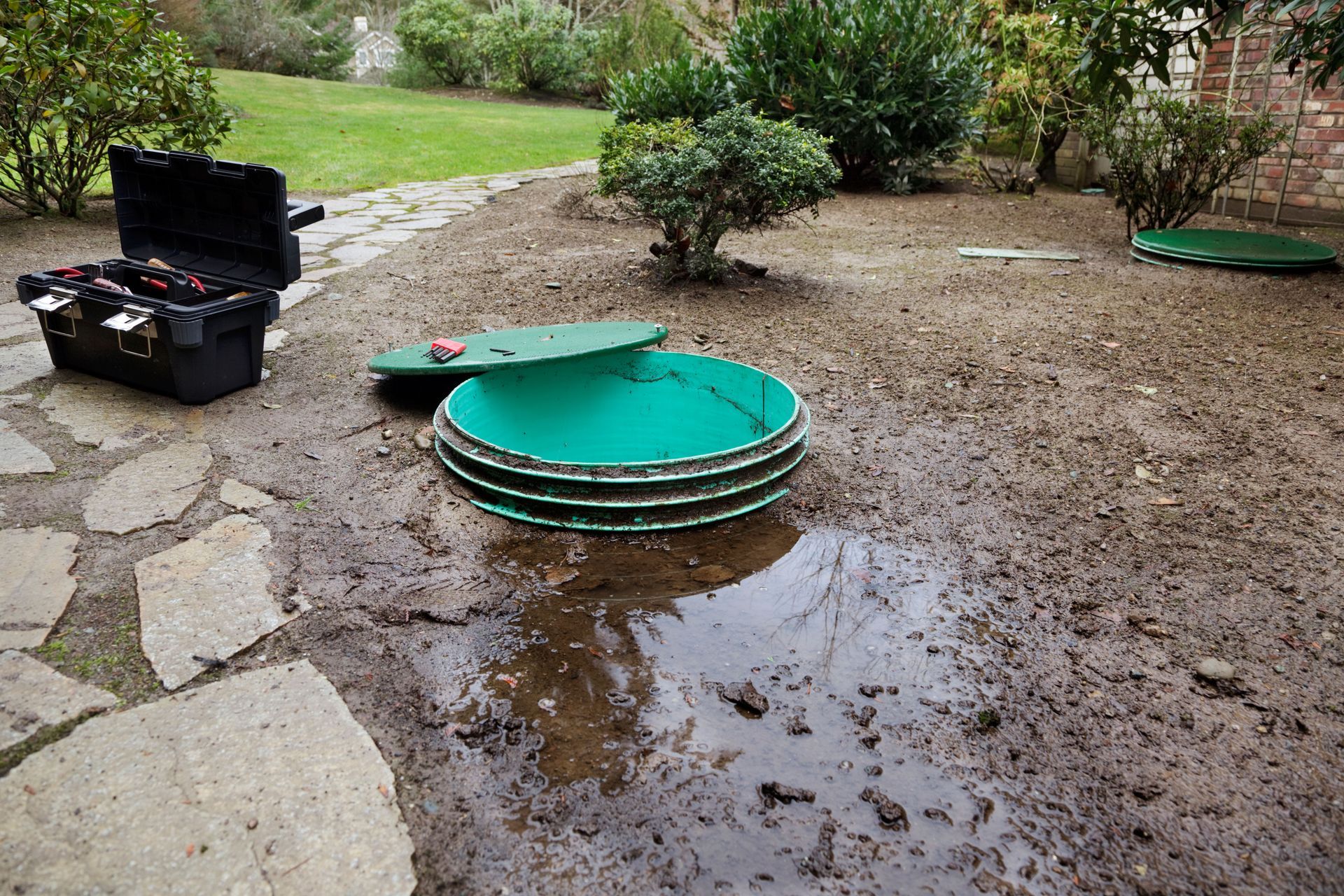
Septic systems play a vital role in managing household wastewater, especially in areas without access to municipal sewer lines. Choosing a septic tank for your home offers a reliable, cost-effective, and environmentally friendly solution for waste management. With proper installation and maintenance from trusted local septic services, homeowners can enjoy long-term performance, reduced utility costs, and greater independence. Understanding the benefits of septic tanks can help you make an informed decision that supports both your property and the surrounding environment.
Monetary Benefits
Installing a septic tank can initially seem more expensive than hooking up to a municipal sewage system, but it is a one-time investment that pays off over time. The costs vary based on system type, size, and the complexity of installation due to local geographic conditions. Nevertheless, avoiding monthly sewage bills that contribute to municipal wastewater treatment savings. These initial costs might also be offset by state or local incentives aimed at promoting decentralized wastewater management. Investing upfront in a septic system can, therefore, prove to be more economical in the long run.
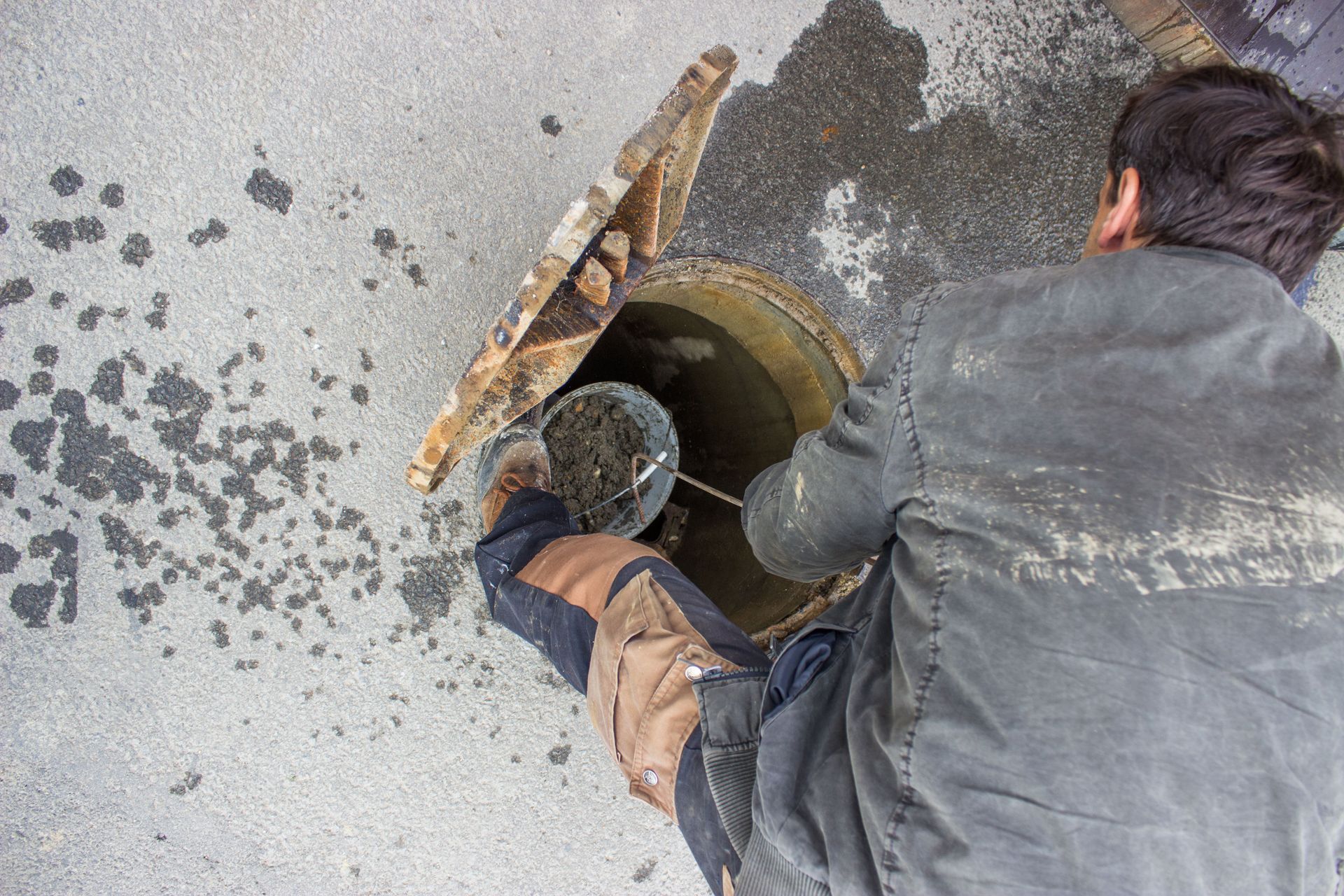
Maintenance for septic tanks is relatively straightforward and less costly than some might anticipate. Investing in routine inspections and pumping from local septic services can help keep your system functioning efficiently. Homeowners who stay on top of maintenance can avoid costly repairs and renewals that negligent care can necessitate. Septic systems also offer predictability in expenses since homeowners directly control the upkeep schedule. By comparison, public sewage systems can impose unexpected rate hikes for municipal upgrades or expansions.
Public sewer systems often involve monthly service fees that can increase with municipal needs and infrastructure investments. Those linking to these systems find themselves paying into a centralized management process that benefits the community but sometimes at a less efficient cost per household. In contrast, the costs associated with septic tanks, apart from maintenance, are largely upfront, offering long-term savings. Additionally, homeowners with septic tanks avoid assessments related to sewer system repairs and expansions in dense residential areas. In this way, septic tanks present an attractive option, particularly for those in lower-density regions.
Environmental Benefits
Septic tanks provide an environmentally friendly alternative to centralized sewage treatment systems by promoting the natural breakdown of waste. The anaerobic digestion processes within a septic tank reduce the volume of sewage, minimizing the environmental footprint of household waste management. This natural process also converts waste into an inert state with reduced pathogens, lessening hazards to the environment. Unlike centralized sewer systems, which may transport and treat waste over long distances, septic tanks treat waste in place, reducing carbon emissions associated with transport.
Septic tanks help local ecosystems by minimizing nutrient runoff to nearby water bodies, a common issue with centralized sewage overflow. When maintained properly, septic systems limit the possibility of polluted effluent reaching rivers and streams, protecting aquatic habitats. Additionally, reduced reliance on chemical treatments in septic systems compared to central sewage plants lowers the amount of industrial chemicals released into the environment. By localizing waste treatment, septic systems reduce potential environmental impacts that can arise from centralized infrastructure failures or inefficiencies. This localized approach to pollution prevention underscores the environmental integrity of septic systems.
When local septic services manage your systems, they offer effective groundwater protection by filtering pollutants through soil systems before re-entering the water supply. This filtration process removes harmful bacteria, viruses, and nutrients, ensuring that groundwater sources remain uncontaminated. The natural filtration process uses both biological and physical means to cleanse treated water as it percolates through soil layers. An operational septic system prevents cross-contamination that can occur with aging or faulty public sewage infrastructure.
Efficiency Benefits
Using a septic system naturally encourages households to adopt water conservation practices, as excessive water can stress the system. Homeowners become more mindful of water use, often implementing measures like low-flow fixtures and diligent leak repairs. Such practices not only preserve water resources but also ensure septic systems operate within optimal capacity limits. This conscious reduction in water usage can lead to significant savings on utility bills over time. By fostering sustainable water use habits, septic tanks play a role in broader water conservation efforts.
Septic systems inherently motivate users to minimize water waste, as excessive inflow can overwhelm treatment capacity, leading to failures. Technological advances in home appliances, such as high-efficiency washers, assist homeowners in aligning with water usage goals compatible with septic system limitations. In minimizing water discharge, septic systems encourage prudent water management, thereby reducing household water footprints. Such reductions not only benefit homeowners but contribute to broader community conserved water supplies.
Maintaining an effective septic system with local septic services often results in positive impacts on a home's plumbing, as reduced water use translates to less pipe strain. This proactive approach to water management prevents plumbing overload, lowering the risk of clogs and backups. Regular septic awareness extends to careful selection of household cleaning products to prevent chemical interference with tank biology. Plumbing systems that operate in conjunction with septic tanks benefit from reduced maintenance costs compared to more extensively used systems. The combination of reduced wear and enhanced efficiency mitigates potential plumbing issues, optimizing household operations.
Independent Benefits
Septic systems are particularly advantageous in rural settings where access to public sewer lines is limited or nonexistent. The self-contained nature of septic systems makes them ideal for locations lacking comprehensive municipal infrastructure. They offer rural residents autonomy in wastewater management, removing dependency on extended public services. This independence is crucial for landowners in remote areas looking to develop properties without costly sewer line extensions. The adaptability of septic systems to rural environments highlights their importance in decentralized waste management solutions.
Septic systems can be tailored to suit site-specific conditions, allowing for optimal performance across diverse environments. According to This Old House, nearly 25% of homes in America use septic tanks, which allow owners to make modifications as necessary. Customizations include modifications to address a property's unique topography, soil composition, and usage patterns. By tailoring these systems, homeowners ensure effective waste treatment while adhering to environmental safeguards. Such customization supports optimal system performance, particularly in areas where traditional designs might encounter geographic challenges. Consequently, septic systems serve varied construction and operational demands, embodying versatility in waste management.
Health Benefits
Septic systems, when correctly managed, diminish the risk of harmful sewer backflows that typically plague centralized systems during floods or capacity overloads. The resilience of septic tanks to backflow incidents ensures greater household safety and reduces potential contact with untreated sewage. Properly designed tanks incorporate fail-safe measures that mitigate back-pressure risks, safeguarding interior plumbing fixtures. By maintaining these safeguards, homeowners can avert common health concerns associated with contaminated water ingress. Such assurances reinforce septic systems' role in proactive health protection mechanisms.
Efficient septic systems prevent exposure to waterborne diseases by trapping pathogens in sludge layers where they undergo natural breakdown. By isolating hazardous waste, homeowners prevent dangerous microorganisms from contaminating drinking and recreational water sources. This isolation process helps maintain higher public health standards without reliance on expensive water treatment chemicals. Effective maintenance schedules play a critical role in preserving these health guardrails, ensuring septic systems operate at peak efficacy. Consequently, the septic approach to waste management directly ties to community health and disease prevention efforts.
The use of septic tanks provides numerous advantages for homeowners, from cost savings and environmental benefits to enhanced independence and safety, making them a viable and often favorable option for waste management. For more information on
local septic services near you, reach out to Advanced Septic Pumping and Portable Rentals and see what we can do for your needs!