May 20, 2026
Septic tank systems provide an indispensable service for millions of homeowners by treating wastewater in places without access to municipal sewer systems. Maintaining these systems involves routine inspections by professionals, which is crucial for avoiding expensive repairs and ensuring long-lasting performance. A septic tank inspection may seem daunting, but understanding what professionals look for during the inspection can put homeowners at ease. This article explores the various elements experts assess to ensure your septic system operates efficiently. Routine maintenance and timely intervention are key to keeping your septic system in optimal condition. When you hire local septic services, you gain peace of mind knowing that every component of your underground infrastructure is being handled with technical precision.
Evaluate Structural Components and Integrity
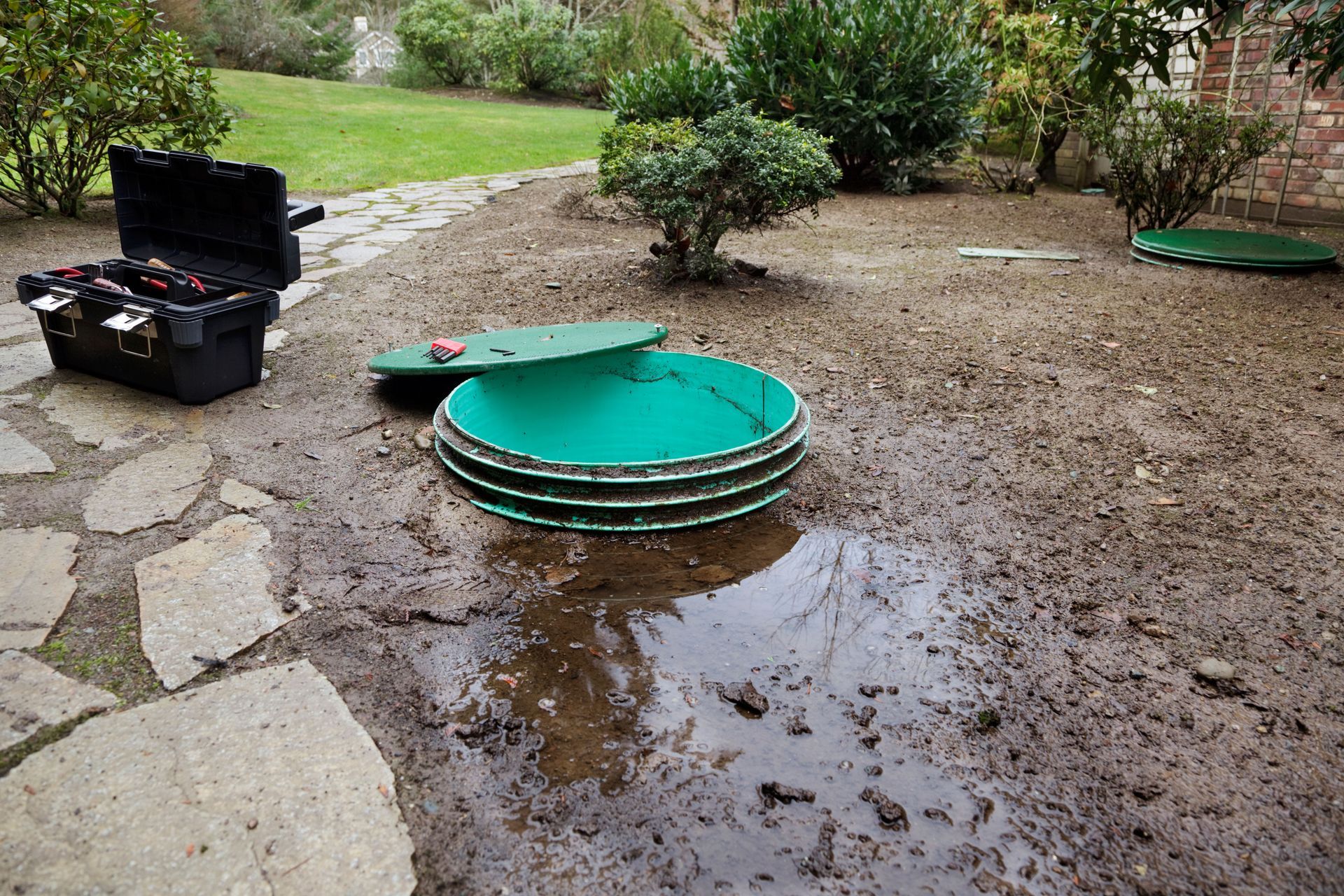
Professionals begin their inspection by evaluating the structural integrity of the septic tank. The tank walls are meticulously checked for cracks, leaks, or any signs of damage, as these could compromise not only the functionality but also the safety of the entire system. Minor cracks can grow over time and may lead to significant leaks, resulting in system failure and environmental contamination. Experts also check the condition and sealing of the tank cover; a well-sealed cover is essential to prevent unauthorized access and maintain the unit's integrity. This comprehensive evaluation ensures minor issues are identified before they escalate into costly problems. Engaging local septic services allows for a detailed review of the concrete or fiberglass shells that protect your property from hazardous waste.
Baffles are another crucial component professionals focus on during the inspection. Located at the inlet and outlet of the tank, baffles control the flow of wastewater and prevent solids from entering the drain field. If baffles fail, it could lead to clogging and uneven effluent dispersion, causing premature system failure. Inspectors ensure these components are intact and operating correctly, as any impairment could lead to increased maintenance costs and reduced system efficiency. Professionals also assess the compartments within the tank to ensure proper separation of solids and liquids, further preserving the system's operational health.
Measure Sludge and Scum Accumulation
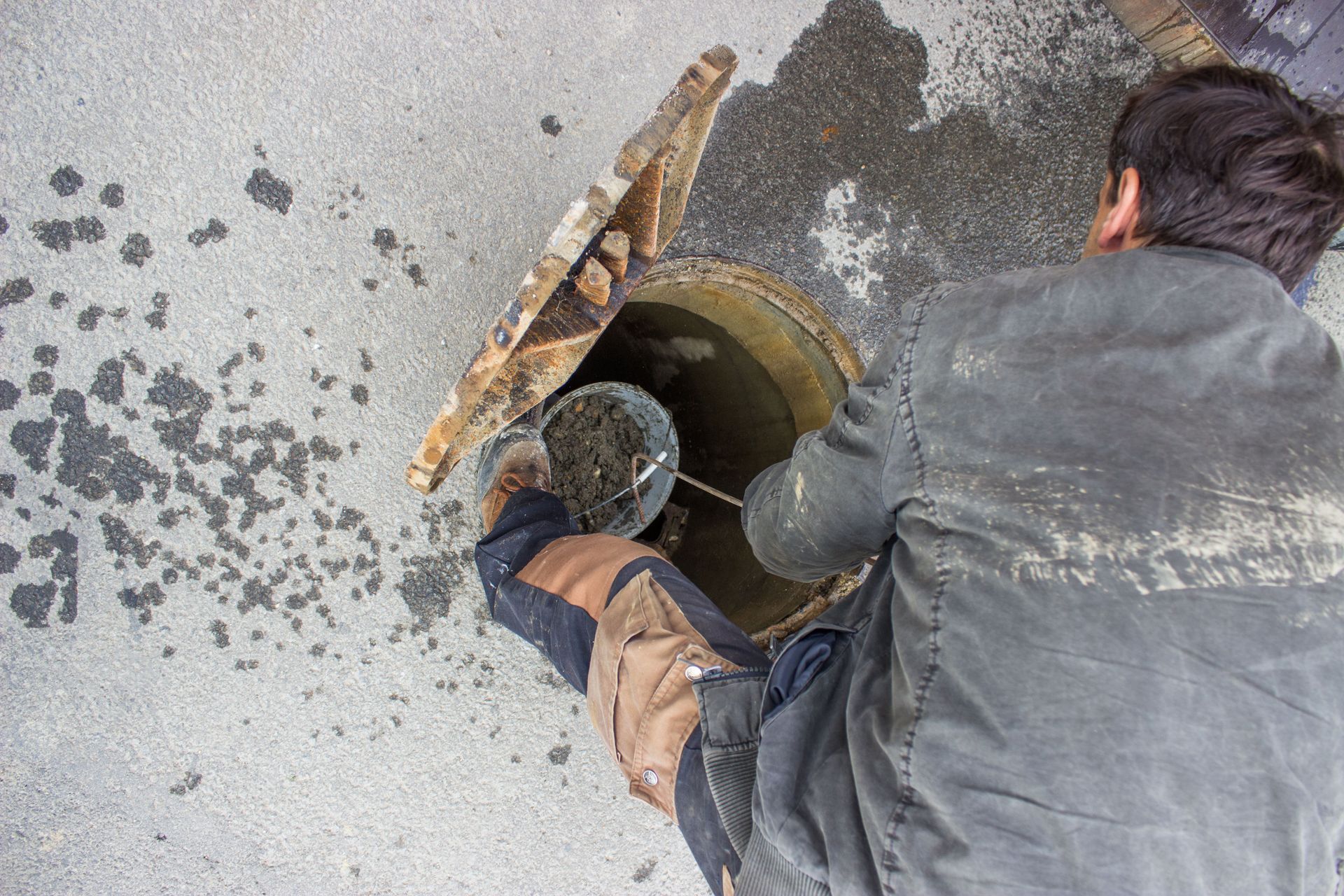
One of the core aspects of a septic tank inspection is determining the levels of sludge and scum within the system. The sludge, comprised of solid wastes that settle at the bottom, must be measured to prevent overflow that can contaminate the drain field. Professionals use specialized equipment to measure sludge depth accurately, ensuring timely pumping services are recommended. On the tank's surface, a scum layer forms from oils, fats, and light materials. This layer's thickness is also evaluated, as excessive accumulation can impede wastewater flow and functionality. Relying on local septic services ensures that these measurements are recorded accurately to prevent the backup of solids into your home plumbing.
The bacterial decomposition process within the septic tank is vital for breaking down waste efficiently. Inspectors evaluate the tank environment to ensure these bacteria are functional and efficient, noting any imbalance that could compromise decomposition. External factors, such as chemicals and non-biodegradable substances, can hinder this process. Proper decomposition is critical for reducing sludge and scum levels, influencing the frequency and urgency of tank pumping services. To maintain the system’s health, professionals will recommend a pumping schedule tailored to the household's specific needs and sludge levels.
Inspect Inlet and Outlet Pipe Flow
The inlet and outlet pipes that connect the tank to the rest of the system play a vital role in its overall functioning. During an inspection, the inlet pipe is carefully examined for blockages and damages that might impede the smooth inflow of household wastewater. Obstructions can significantly disrupt the septic process and may even cause effluent to back up into the home. According to the EPA, homeowners should ensure their septic tank is evaluated every 12 to 36 months to catch these blockages early. Experts from local septic services can identify these pipeline issues using specialized cameras and sensors.
Efficient outlet pipe functioning is crucial for proper effluent flow into the drain field. Inspectors pay specific attention to these pipes, ensuring they are clear and free from obstructions that might cause untreated water to backflow or pool above ground. It is critical that these pipes are in good condition to allow properly treated water to disperse without hindrance. Regular inspections help identify early signs of trouble, often represented by changes in water flow patterns.
Analyze Drain Field Performance and Soil
The drain field, a crucial component of the septic system, is primarily responsible for the final treatment of wastewater. Experts begin their assessment by evaluating soil percolation, an indicator of the soil’s ability to absorb water efficiently. Poor percolation could suggest drainage issues owing to soil compaction or saturation, leading to surface water pooling or system backup. By consulting with local septic services, you can determine if your soil is still capable of filtering pathogens before they reach the local groundwater table.
Signs of saturation in the drain field are critical indicators that cannot be ignored. Lush or uneven vegetation and regular surface pooling may reflect poor drainage efficiency, potentially leading to contamination or system overload. Experienced inspectors identify these warning signs during inspections, offering solutions to restore the balance. Addressing saturation promptly helps prevent health hazards and property damage, ensuring the septic system continues to function optimally. Regular inspection aids in managing these issues before they escalate into substantial challenges.
Monitor Water Consumption and Conservation Habits
Water conservation is integral to maintaining septic system health, and inspectors evaluate household water usage to optimize system performance. High water consumption can overwhelm the system, leading to potential backups or flooding within the septic tank and drain field. Professional inspectors discuss household water usage patterns, identifying potential stressors on the system and areas where improvements can be made. Specialists from local septic services often find that simple changes in daily habits can prevent the hydraulic overloading of a standard septic tank.
During the inspection, experts often recommend water-saving appliances as innovative ways to support septic systems. These appliances reduce the total volume of water entering the system, thereby decreasing strain on the septic tank and potentially extending the time between necessary pumps. Effective water conservation techniques are evaluated and suggested, offering both environmental and economic benefits to homeowners. With the implementation of recommended practices, septic systems can achieve enhanced efficiency and longevity. Water conservation strategies act as a preventive measure against excessive wear on the system.
Verify Compliance With Local Health Codes
A crucial aspect of septic system maintenance is complying with local health standards and regulations. Professionals ensure septic systems adhere to all local codes, ensuring environmental safety and system legality. Regular, thorough inspections help homeowners meet compliance, thus avoiding fines or penalties associated with regulation breaches. Septic systems that consistently meet regulatory standards contribute to safe property environments and public health. Local septic services are well-versed in the specific geographic requirements and zoning laws that govern wastewater management in your specific county or municipality.
Complete and up-to-date inspection reports provide essential information for compliance and future reference. These documents fulfill necessary reporting obligations and serve as a comprehensive record of the system's health over time. Inspectors offer insights into required upgrades to meet current standards, guiding homeowners towards improvements. Staying informed about changes in regulations ensures continuous compliance and the opportunity to enhance a system’s performance.
A septic tank inspection is a comprehensive evaluation of the system’s condition and functionality. By understanding what professionals look for during inspections, homeowners can better appreciate the importance of regular maintenance. This proactive approach not only extends the life of the septic system but also helps in preserving the environmental health and safety of the property. When you need expert local septic services, contact us at Advanced Septic Pumping and Portable Rentals.